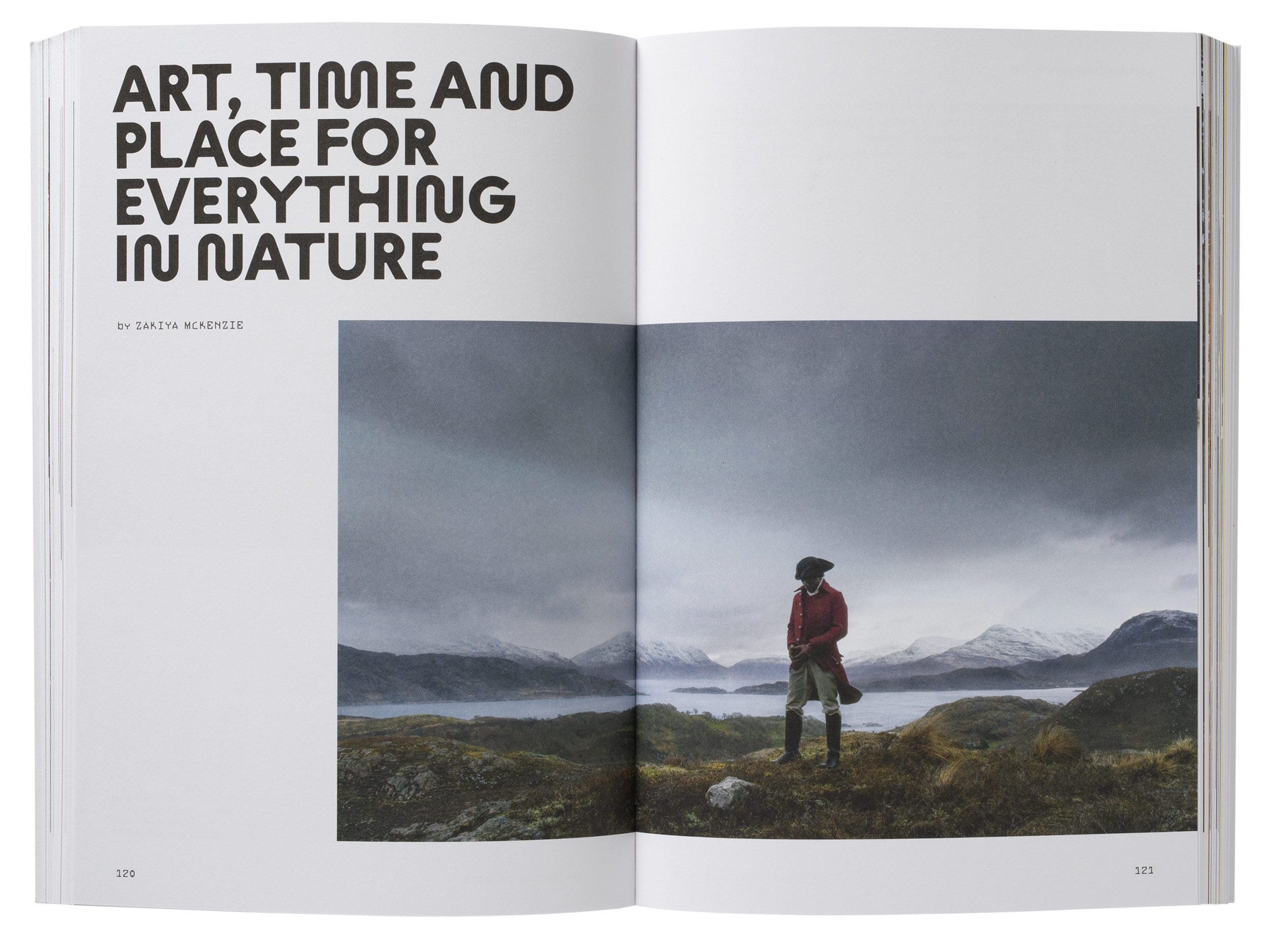
An excerpt from ‘Art, time, and place for everything in nature‘ by Zakiya Mckenzie in Radical Landscapes: Art, Identity and Activism, ed. Darren Pih
“In Art on My Mind, bell hooks explains that “when I think about the politics of seeing- how we perceive the visual, how we write and talk about it- I understand that the perspective from which we approach art is overdetermined by location.” Situated within a critique on modernity and western influences through the lens of colonialism’s effects of displacement, movement and resistance, art gives us locations whereby our relationship to environment and temporality can be explored together.
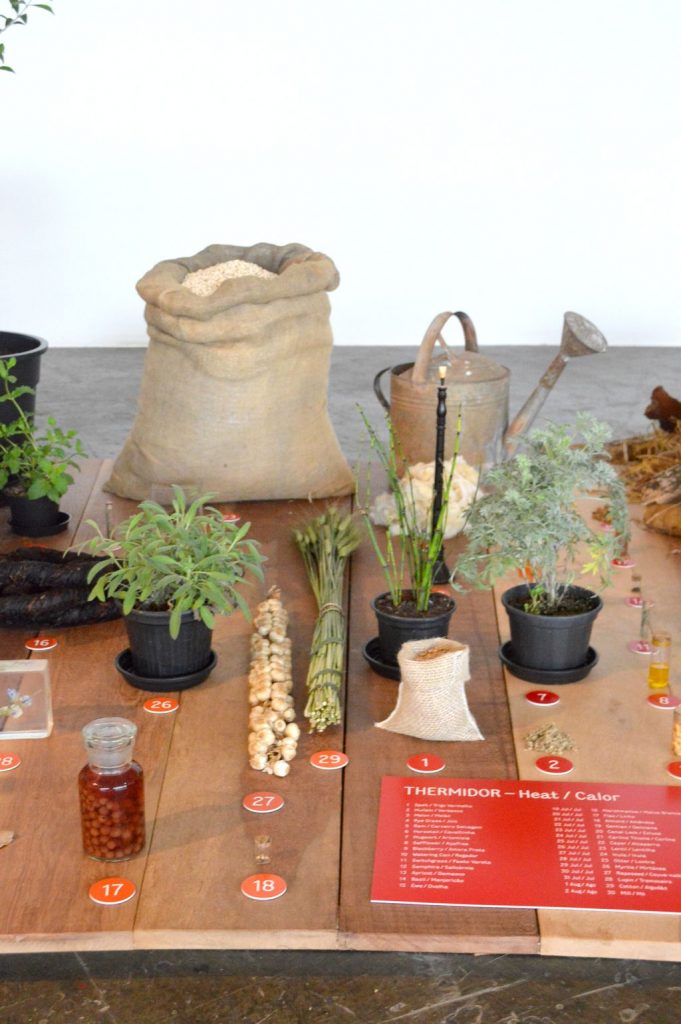
“In ‘Back to the Fields’ (2015-2022, Mixed media installation) Ruth Ewan explores modernity and time through 360 items each representing one day of the French Republican calendar, in use from 1793 – 1805. Ewan’s living calendar stands in opposition to the Georgian one as she reconsiders religious conceptions of time and highlights imperialistic or political manipulations of it.“
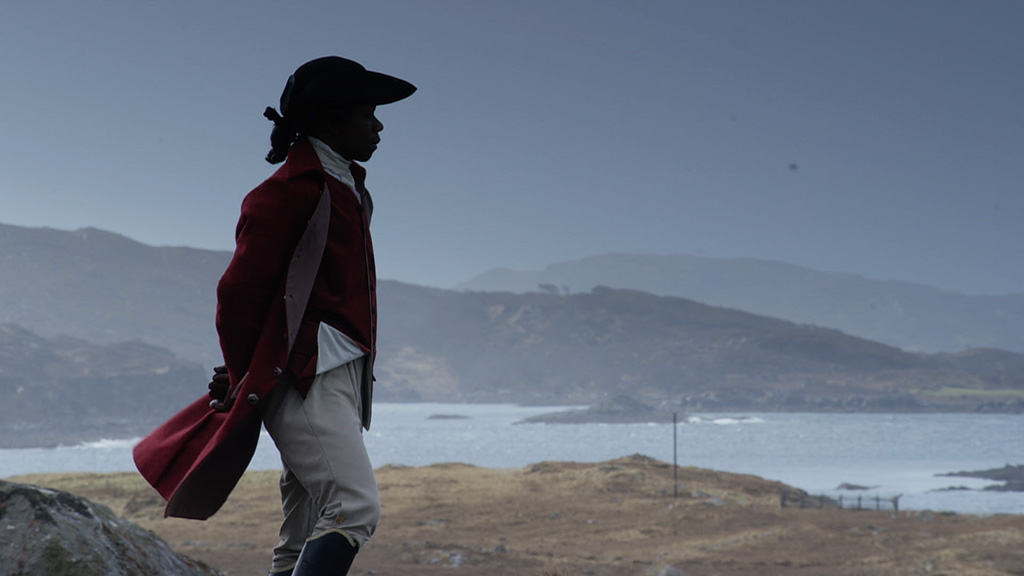
“John Akomfrah too offers an understanding of the past brought forward in ‘Vertigo Sea’ (2015, A/V installation) with the ‘calendar’ now framed across three moments in European modern history — 18th century transatlantic trade in African people, 19th century whaling industry and our present crisis of scores of displaced people embarking on dangerous sea journeys to flee poverty and persecution. ‘Vertigo Sea’ is a study of forced migration and death still apparent today because of sore situations of centuries past.“
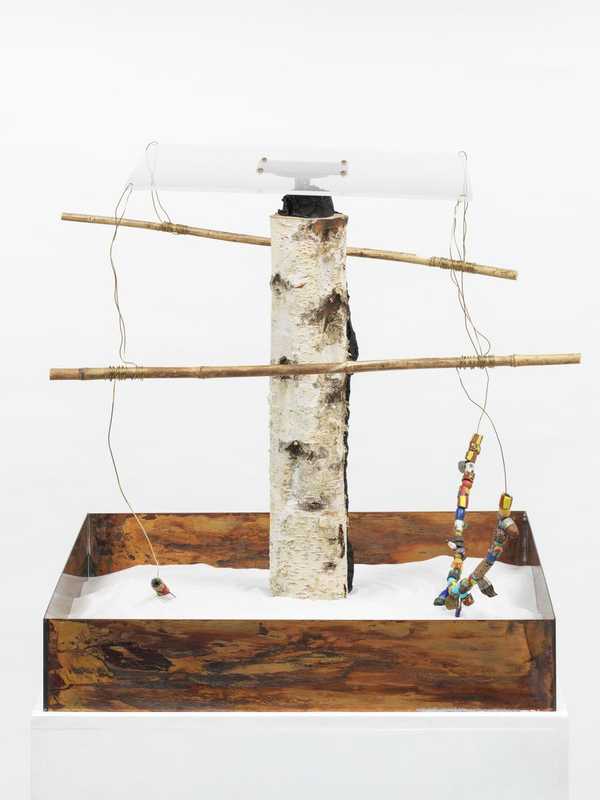
“What John Akomfrah does through video and audio, David Medalla does materially with ‘Sand Machine Bahag – Hari Trance #1’ (1963-2015 Wood, brass, sand, bamboo, acrylic sheet, glass beads and other materials). The machine forms calligraphic etchings in sand through rhythmic motion and it invites the viewer to meditate on what forces are at work within, and how the environment changes because of movement and pressure. This kinetic model embodies the questions of temporality, location and change inherent in all the works discussed here.“

“Ian Hamilton Finlay’s ‘Quin Morere’ (1991, bronze) features another sort of machine that holds contrasting ideas of time together. Finlay’s guillotine probes a juxtaposition of life, death and power. The guillotine is inscribed with words from Dido’s soliloquy. Finlay pits the ideas of the symbols against each other— Dido’s choice to take her own life stands in contradiction to those fated to the murder-tool. Finlay’s blade is both feared and felt for, a possibility or final imposition.“
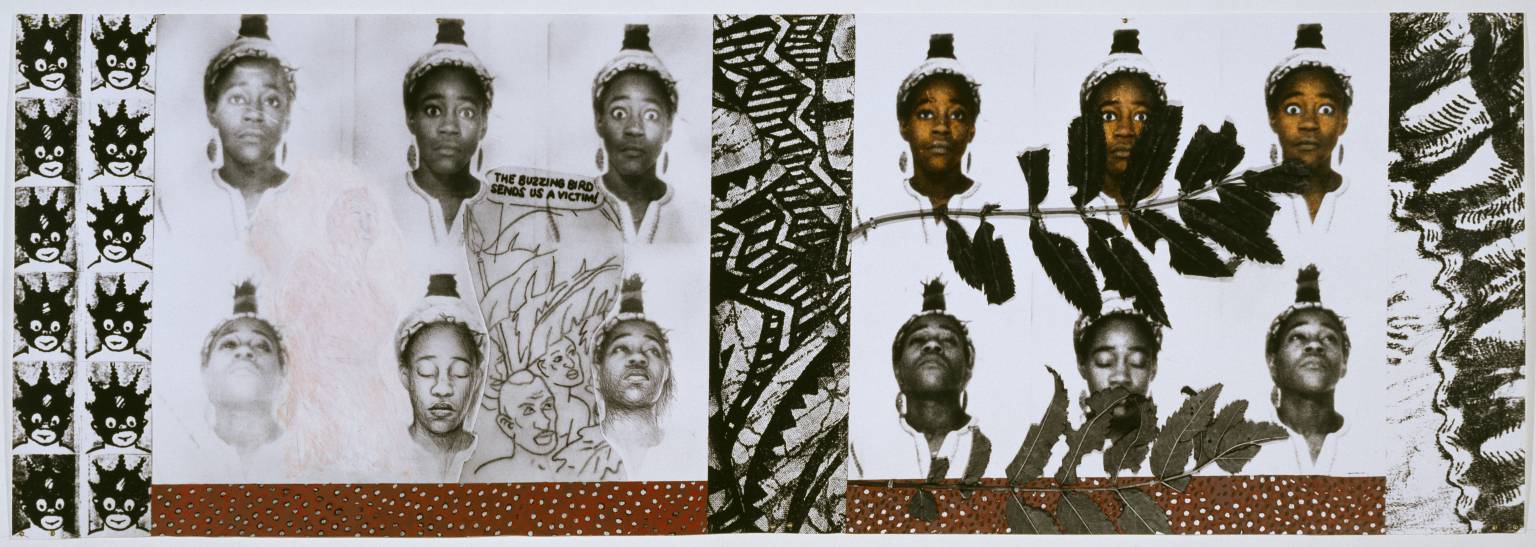
“In ‘From Tarzan to Rambo: English Born ‘Native’ Considers her Relationship to the Constructed/Self Image and her Roots in Reconstruction’ (1987, Acrylic, ball-point pen, crayon and felt-tip pen on photographic paper) by Sonia Boyce, the artist is subject laid bare. Yet Boyce is also marked by impositions from centuries of misinformation and shame. The images move towards a subject who seems more present and self-aware though not entirely removed from the harmful tropes used to draw her environment before. Sonia Boyce’s piece explores identity, belonging and estrangement even in the place where she is a ‘‘Native’’.“
Return to Portfolio
Read more of Zakiya’s writing here